
Phoenix spring has a habit of showing up early — or at least pretending to. Daytime temperatures start warming up, overnight lows ease up a bit, and it’s easy to assume winter is officially over. For tree pruning, those early warm spells can give off fake spring vibes that make it feel like it’s safe to get started.
However, late-season cold snaps and frost remain possible, especially in higher elevations like Anthem and North Phoenix, where the average last frost date isn’t until mid-February. More importantly, trees need 8-12 weeks to recover after pruning. Prune too early and a late frost kills new growth. Prune too late and summer sun scorches exposed bark. Get the timing right, though, and your trees head into summer stronger, healthier, and better prepared for monsoon season.
Key Takeaways
- North Phoenix and Anthem sit at higher elevation than central Phoenix, meaning frost can occur later into spring — check local conditions before pruning frost-sensitive trees.
- Phoenix’s spring pruning window runs roughly mid-February through late March — after frost risk drops but before summer heat stress begins.
- Citrus trees need pruning between late February and April to grow protective foliage before intense summer sun causes sunscald.
- Spring pruning reduces monsoon damage — removing deadwood and thinning dense canopies now prevents broken branches when summer storms hit.
- If you’ve already seen frost damage this winter, wait until spring growth reveals the true extent before scheduling any pruning.
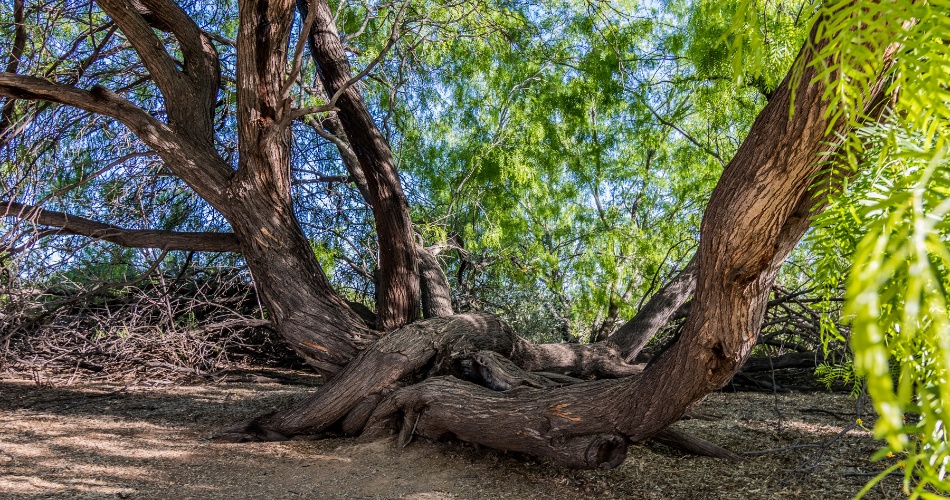
Mesquite trees develop complex branch structures that benefit from regular pruning — note the deadwood accumulation at the base that should be cleared before monsoon season.
When Should You Prune Each Type of Tree in Phoenix?
The best time to prune your tree depends on the species, its frost sensitivity, and how long it needs to recover before summer heat. This calendar shows what our arborists recommend for homeowners throughout Anthem and North Phoenix.
Species-Specific Spring Pruning Calendar
| Tree Type | Best Pruning Window | Why This Timing? | Key Considerations |
|---|---|---|---|
| Citrus (orange, lemon, grapefruit) | Late Feb. – April | Needs time to grow protective foliage before intense summer sun | Unlike deciduous fruit trees, citrus push tender new growth after pruning — wait until frost risk drops |
| Palo Verde | Jan. – March | Allows 3-4 months for cuts to heal and new growth to stabilize before monsoon winds stress weak branches | Dec. pruning risks frost damage to fresh cuts; Jan. gives safer margins in North Phoenix |
| Mesquite | Jan. – March (OR late fall) | Cooler temperatures mean less stress and faster healing; finishing before monsoon reduces storm damage risk | Same as palo verde — avoid Dec. pruning due to frost risk at higher elevations |
| Deciduous (ash, elm, mulberry, etc.) | Dec. – Feb | Bare branches make structural problems visible; dormant trees direct energy to healing rather than leaf production | Window closes once leaves emerge — if scheduling late, focus on safety pruning and plan structural work for next winter |
| Fruit Trees (peach, apple, plum, apricot) | Dec. – Feb | Dormant pruning stimulates spring bud development and improves fruit production without sacrificing this year’s harvest | Fully dormant in winter, so Dec. pruning is safe — unlike citrus |
| Ficus | Feb. – April | Must wait until frost risk passes but finish before heat stress begins — ficus struggle to recover from summer pruning | More frost-sensitive than citrus — even light frost damages leaves and new growth |
| Palms | March – April | Removing fronds before frost risk passes weakens cold protection; waiting past April means fighting new growth | Green fronds feed the tree — removing them before the spring growth flush weakens the palm heading into summer |
These windows aren’t absolute; here’s how to adjust for your situation:
- Central Phoenix residents (lower elevation, urban heat island) can often start 1-2 weeks earlier than the dates shown
- Dead, damaged, or hazardous branches are the exception — those can be removed any time of year, regardless of species
- It’s crucial to not remove more than 25% of the canopy at once; it stresses the tree and triggers excessive regrowth
EXPERT INSIGHT: “What’s the biggest mistake we see when it comes to DIY tree pruning? Homeowners who prune their trees too soon, then lose all that new growth to a late frost. In Anthem, we recommend waiting until at least mid-February — sometimes later if the forecast looks cold.” – Aaron Eubank, Certified Arborist and Co-Founder of Titan Tree Care
What Should You Know Before Scheduling Spring Pruning?
There are three factors that impact when your trees should be pruned: existing frost damage, sun-sensitive bark, and monsoon season prep. Before making any cuts, your arborist will consider all of them.
Should You Prune Trees That Already Have Frost Damage?
If your trees already show frost damage from this winter, don’t schedule pruning yet. The damaged branches are actually doing important work:
- Damaged material insulates the rest of the tree from further cold
- You can’t tell yet what’s truly dead versus what will recover
- Cutting too early risks removing branches that would have bounced back
The best approach is to wait until spring growth emerges (usually March-April), then schedule an arborist visit to assess the true extent. If you’re still dealing with active frost risk, proper winter protection can prevent additional damage while you wait.
Why Does Sun-Sensitive Bark Affect When You Should Prune?
Because sun-sensitive bark scorches when exposed to intense summer sun, you need to prune earlier in spring to give new foliage time to grow in and protect it. Citrus and palo verde are the main species affected here in North Phoenix. When you prune these trees, the cuts stimulate new leafy growth that shades and protects the interior bark. But that foliage needs 8-12 weeks to fill in before summer’s intense sun arrives.
Here’s what happens if you prune a citrus tree in late April:
- New growth is still sparse when June hits
- Interior branches that were shaded for years are suddenly exposed to 110°+ temperatures
- The bark blisters, cracks, and develops sunscald
- Sunscald opens the door for Hendersonula bark rot (sooty canker) — a fungal disease with no cure
PRO TIP: For citrus and palo verde, scheduling pruning in late February or March gives new growth time to develop before summer. April is quite risky; May is too late.
How Does Spring Pruning Help Trees Survive Monsoon Season?
Structural pruning in late winter or early spring gives trees time to strengthen before Phoenix’s monsoon season (June-September) brings sudden high winds. Trees with weak structure are most likely to fail when storms hit.
Watch for these structural problems that make trees exceptionally vulnerable:
- Co-dominant stems (two main trunks competing)
- Narrow crotch angles where branches meet
- End-heavy branches with too much weight at the tips
Palo verde and mesquite are especially prone to monsoon damage if not properly maintained — and improper pruning can actually make the problem worse by triggering weak regrowth.
Missed the Ideal Spring Pruning Window? Here’s What Still Makes Sense
Missing the ideal spring pruning window doesn’t mean you have to wait an entire year — but it does change what kind of work is appropriate.
Some pruning is safe and necessary year-round, while other work is better postponed to protect trees from heat stress.
What can still be done safely:
- Dead or Hazardous Branch Removal: Deadwood and safety hazards should be addressed any time of year, especially when branches threaten people, property, or access areas.
- Minor Corrective or Maintenance Pruning: Light pruning to address small issues is often acceptable into April for many species, as long as cuts are limited and strategic.
- Professional Assessment and Planning: If major pruning isn’t advisable now, an arborist can still evaluate your trees and help plan the right work for fall.
What Tree Work Should Wait Until Fall in Phoenix?
Any major structural work or large-scale canopy reduction should wait until fall. That’s because heavy pruning during Phoenix summers stresses trees when they’re already working hard to survive the heat. Fresh cuts heal slowly in extreme temperatures and removing large amounts of foliage leaves bark exposed to sun damage. Hold off until October or November for the following:
- Heavy Structural Work: Once temperatures consistently hit 100°+, major pruning stresses trees. The combination of fresh wounds and extreme heat taxes the tree’s energy reserves, making recovery slower and leaving openings for pests and disease.
- Extensive Canopy Reduction: Removing large amounts of foliage before summer leaves bark exposed to sunscald.
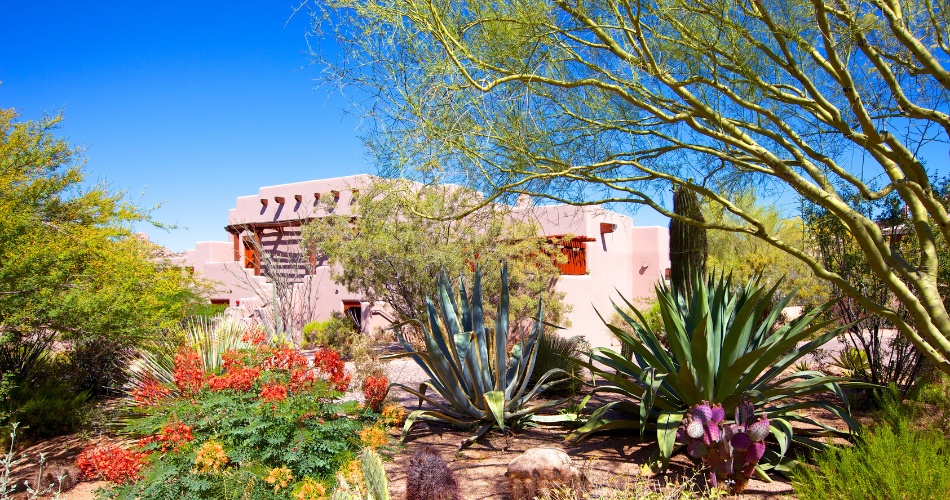
Palo verde trees near structures should be pruned in early spring to reduce the risk of branch failure during summer monsoons.
Frequently Asked Questions About Spring Tree Pruning in Phoenix
What factors affect the cost of tree pruning in Phoenix?
Pruning costs depend on tree size, species, accessibility (backyard trees cost more than front yard), amount of work needed, and whether specialized equipment is required. Most reputable companies offer free estimates so you can understand the scope before committing.
Why should I hire a professional instead of pruning trees myself?
Professional arborists make cuts at the correct angle and location so wounds heal properly — bad or improper cuts can introduce decay that spreads through the trunk over years. They also have equipment to work safely at height and can spot early signs of pest or disease problems that untrained eyes miss. And if the tree is near power lines, the law requires professional training and equipment.
How do I know if my tree needs pruning or should be removed instead?
If more than 50% of the tree is dead or dying, removal is usually the better investment. Other removal indicators include significant trunk decay, severe lean (especially toward structures), or major root damage. An arborist can assess whether pruning will restore the tree’s health and safety, or whether removal makes more sense.
Will pruning my tree make it grow back thicker?
It depends on the cut type. Heading cuts (cutting a branch back to a bud) stimulate dense regrowth — sometimes more than you want. Thinning cuts (removing a branch at its point of origin) don’t trigger the same response. A professional arborist uses the right technique based on your property goals.
Do I need a permit to prune trees on my property in Phoenix?
Generally, no, for private residential property in Phoenix. However, trees in city rights-of-way, designated heritage trees, or those subject to HOA rules (common in Anthem and many North Phoenix communities) may have requirements. Check with your HOA before scheduling major work.
How often should trees be pruned in the Phoenix area?
Most mature trees benefit from pruning every 3-5 years; enough time for new growth to develop while keeping the canopy healthy and safe. Young trees need structural pruning every 1-2 years to establish good branch architecture before problems become permanent. Desert trees, like palo verde, benefit from structural work every 2-3 years before monsoon season to reduce storm damage risk.
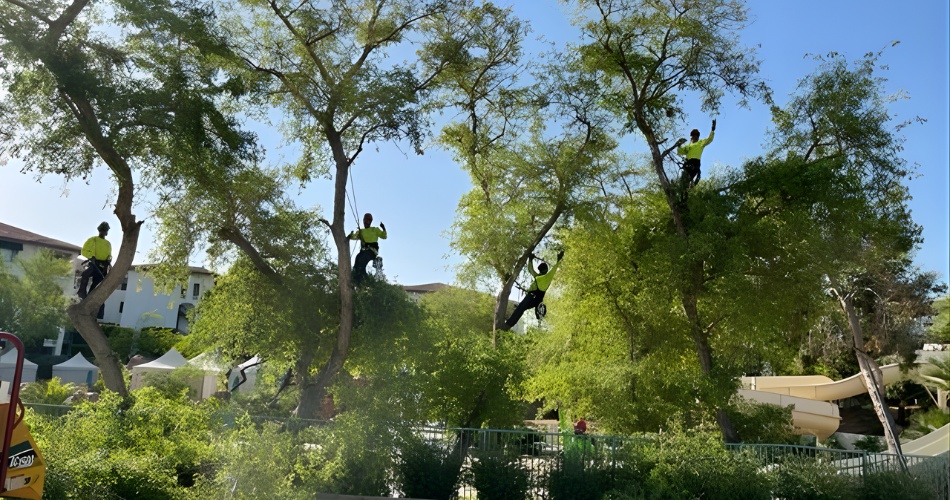
Schedule Your Spring Pruning with Titan Tree Before the Window Closes
Spring pruning timing isn’t one-size-fits-all. Different species respond best at different points in the season, and the right approach depends on what’s growing on your property.
Titan Tree Care’s ISA Certified Arborists can assess your specific trees and recommend the right timing for your North Phoenix property. Call 623-444-8448 or request a quote to schedule your free estimate today!
See Our Latest Articles



More Articles Like This

Titan Tree Care is a full-service tree care company located in Anthem, AZ and serving all of North Phoenix. We offer a wide range of services to meet your tree care needs, including tree and palm trimming, tree pruning, tree removal, stump grinding, and more. We also offer insect or disease treatments and fertilization services. We are dedicated to providing high-quality, safe, and effective tree care services to our customers and work hard to ensure that your trees are healthy and look their best.