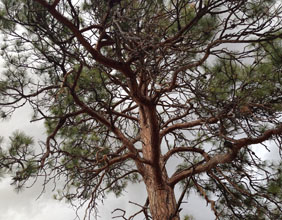

That mesquite in your front yard might look sturdy enough to handle anything Phoenix throws at it – but even the strongest desert trees fail when they aren’t cared for year-round. The truth is, desert trees don’t follow the same tree care plan used in other parts of the country. That’s because our last frost date, early heat spikes, and summer monsoons create their own rhythm. When you plan around that, you’re setting your trees up for a safer, healthier 2026.
Key Takeaways
- May through early June pruning is non-negotiable for desert natives; missing this window means gambling with storm damage and emergency service costs.
- February 15 is a key date that divides your pruning calendar – prune deciduous trees before this last frost and wait until after for citrus and other frost-sensitive species.
- Your citrus needs 3-4 strategic feedings with timing that varies by variety: oranges get 3 applications ending in June while lemons need that critical August boost.
- October’s moderate temperatures give new trees time to establish roots before winter, while June planting (except palms) means fighting heat stress all season.
- Annual programs guarantee service during our peak May-June season, when individual scheduling often faces delay.
What Tree Care Services Should You Schedule in 2026?
This calendar outlines the key tree care tasks for each month, but timing can vary depending on your neighborhood and the types of trees you have. Newer landscapes in Anthem may need different care than the mature citrus in Arcadia, while established Desert Ridge properties face different challenges than recently planted yards in Norterra.
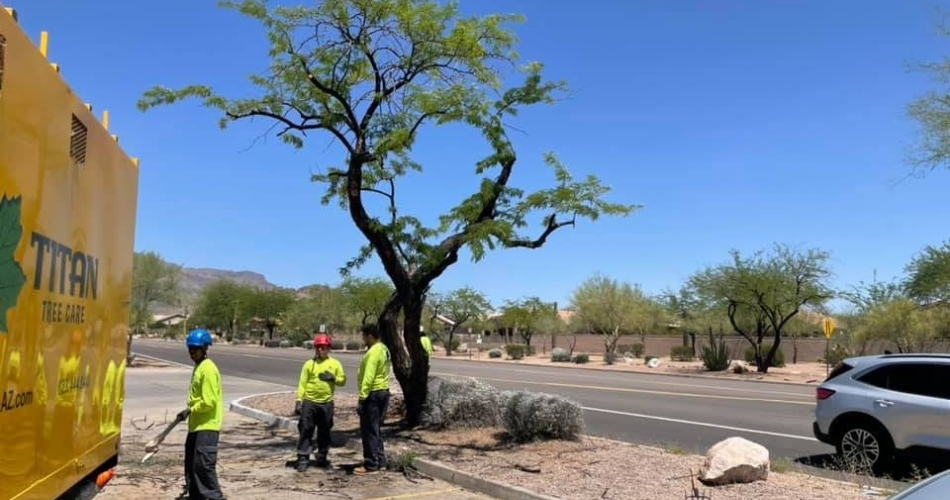
January–February: Winter Pruning and Reduced Watering
Phoenix trees need winter pruning and reduced watering during January and February. When trees are dormant, the conditions are optimal for structural work on most deciduous species. However, frost-sensitive trees (such as citrus varieties and other tropicals) require more careful timing near the end of February. The beginning of the year is also a good time to schedule your spring tree pruning services before calendars fill.
Which Trees Should You Prune in Winter?
Because deciduous trees are fully dormant between January and February, pruning causes minimal stress and offers a clearer vantage point to identify the overall branch structure. Prioritize pruning for these trees during this time:
- Ash, elm, and desert willow
- Stone fruit trees
- Non-native deciduous shade trees
Wait until late February (or early March in higher elevations) for:
- Citrus trees (oranges, lemons, grapefruit)
- Ficus trees
- Any frost-sensitive species
Why Late February Matters for Frost-Sensitive Species
Late February marks the safe pruning window for frost-sensitive trees. Maricopa County’s average last frost ranges from February 7 in Central Phoenix to April 3 in higher-elevation areas like Mesa, making most of North Phoenix frost-safe by late February. Waiting until this frost-safe window protects citrus and other sensitive species from cold damage; pruning earlier risks exposing fresh cuts to frost that can seriously harm tree health.
This frost deadline also kicks off the growing season for citrus trees. Late February is when you should apply the first of three to four annual citrus fertilizer applications – the specific schedule depends on your citrus variety.
March–April: Pruning, Fertilization, and Preparing for Summer Heat
March and April give Phoenix homeowners a critical window to get trees ready before early summer heat arrives. This is the last period of mild weather when trees can recover quickly from structural pruning, absorb fertilizer efficiently, and build the resilience they’ll need when temperatures jump into the 90s.
Why Pruning Should Be Finished by April in North Phoenix
March and April are usually the last reliable months to complete structural pruning before Phoenix’s early heat kicks in. Once temperatures push toward the 90s in May, pruning becomes stressful for all trees, slowing wound closure and increasing the risk of sunscald and dieback.
Priority services for March-April:
- Complete all pruning before temperatures climb into the 90s
- Apply spring fertilization to support vigorous new growth
- Refresh mulch (2-3 inches) to insulate roots and keep soil cooler
- Inspect and test irrigation systems for summer watering demands
May–June: Storm Preparation for Desert Trees
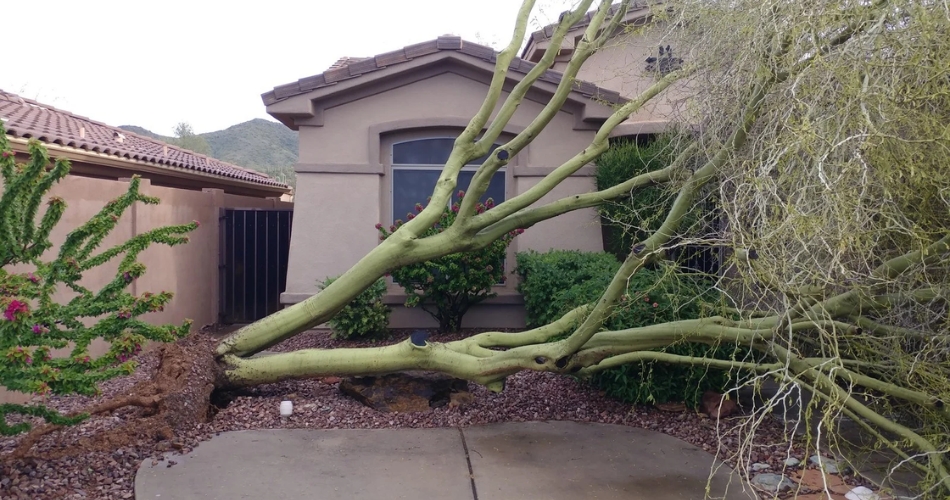
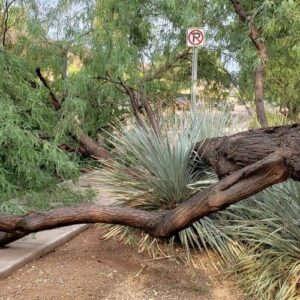
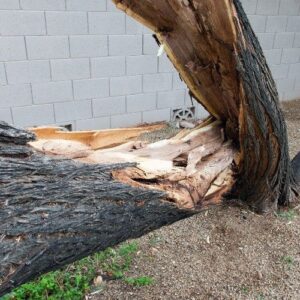
As spring growth accelerates, desert natives quickly develop dense, top-heavy canopies that can become hazardous once monsoon winds arrive. May through early June is the best time to prep these species for storm season by reducing wind resistance, removing weak branches, and correcting weight imbalances that increase the risk of tree failure.
Why Storm Prep Matters for Desert Natives
Desert species, like mesquite, palo verde, and acacia grow fast and often produce long, flexible limbs that act like sails during monsoon storms. Strategic canopy thinning helps wind pass through, minimizes branch failure, and reduces the chance of property damage or emergency removals after the first major gusts.
June–September: Summer Heat and Monsoon Management
Phoenix’s combination of 110+ degree heat and monsoon moisture from mid-June through September creates the worst possible conditions for tree work, requiring minimal pruning and maximum watering attention. Summer tree care priorities include:
- Avoiding heavy pruning (stresses heat-stressed trees)
- Monitoring for storm damage and responding quickly to hazards
- Increasing watering duration to properly drench roots
September–October: Pruning Evergreens & Planting New Trees
As temperatures begin to ease, September and October reopen opportunities for active tree care. October, in particular, is the best planting month for most species in North Phoenix, offering mild weather that reduces transplant shock and allows roots to establish before winter.
Fall tree care tasks include:
- Resume pruning most evergreens now that heat stress has passed
- Plant most tree species (October is the best planting month for nearly all except palms)
- Apply fall fertilization to promote spring vigor
- Adjust irrigation schedules for cooler weather and reduced water needs

November–December: Light Maintenance & Planning for 2027
The final months of the year focus on light pruning, winter prep, and getting ahead of next year’s scheduling. Planning now ensures you don’t miss early spring deadlines or compete for limited availability during peak seasons.
Some of the most important winter prep tasks include:
- Perform light pruning on vigorous trees (mesquite, olive, eucalyptus)
- Begin heavier pruning for deciduous trees (December into January)
- Harvest citrus fruits as they ripen
- Protect frost-sensitive trees during cold snaps
- Schedule 2027 services now before calendars fill
How an Annual Tree Care Program Protects Your Trees Year-Round
Keeping up with Phoenix’s pruning windows, heat timing, and monsoon prep can feel like a never-ending checklist. An annual tree care program takes that off your plate by scheduling the right services at the right time – no reminders, no scrambling, and no missed windows.
Key advantages include:
- Guaranteed optimal timing (services scheduled 6-12 months ahead)
- Priority booking during peak seasons like May through June
- Bundled pricing reduces per-service costs
- Built-in reminders – no tracking needed
- Fewer emergency situations from missed timing windows
Frequently Asked Questions About Creating a Tree Care Schedule in Phoenix
How far in advance should I schedule tree services in Phoenix?
For peak-season services, especially monsoon preparation, plan to schedule 2–3 months in advance. For example, if you want pruning done in mid-May, reach out to your arborist by mid-March. Homeowners enrolled in annual care programs typically receive priority booking.
What happens if I miss the optimal timing window for tree care?
Missing critical windows, like pre-monsoon pruning, increases storm damage risk and may force you into costlier emergency services. If you’ve missed optimal timing, consult an arborist about whether to proceed with off-season work or wait – sometimes waiting is safer.
Do newly planted trees need different care than established trees?
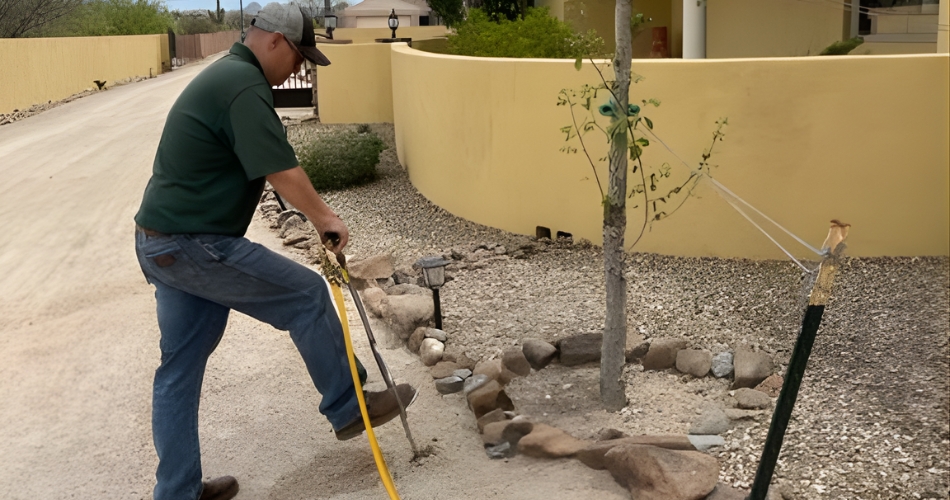
Yes. Young trees (0-3 years) require more frequent watering, especially during their first summer, and benefit from light structural pruning rather than heavy pruning. Established trees can handle the normal maintenance schedules outlined in this calendar.
How do I know if my tree needs fertilization?
Signs your tree needs fertilization include poor growth, yellowing leaves (outside seasonal changes), small leaves, or early leaf drop. An arborist can perform soil testing and health assessment to determine if nutrient deficiencies exist or if other issues like pests, disease, or water stress are causing symptoms.
Start Planning Your 2026 Tree Care Schedule with Titan Tree Today
Establishing your 2026 tree care schedule now prevents emergencies, protects your property investment, and maintains tree health through Phoenix’s challenging desert climate. Whether you choose an annual program or individual service scheduling, understanding these timing windows helps you make informed decisions that keep your trees healthy and your property safe.
Ready to protect your trees and property in the new year? Contact Titan Tree Care for a free consultation. We’ll assess your trees, recommend optimal service timing, and reserve your preferred dates before peak season slots fill. Call 623-444-8448 or request an estimate online today.
See Our Latest Articles

More Articles Like This

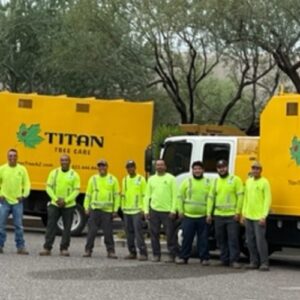
Titan Tree Care is a full-service tree care company located in Anthem, AZ and serving all of North Phoenix. We offer a wide range of services to meet your tree care needs, including tree and palm trimming, tree pruning, tree removal, stump grinding, and more. We also offer insect or disease treatments and fertilization services. We are dedicated to providing high-quality, safe, and effective tree care services to our customers and work hard to ensure that your trees are healthy and look their best.